George W's blog
Meeting Site
Submitted by George W on February 20, 2021 - 1:04pmATHS calendar: https://aths.site/events
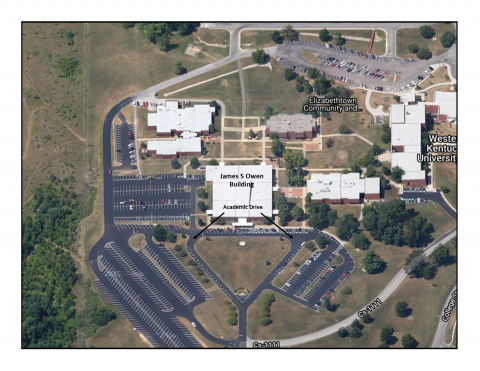
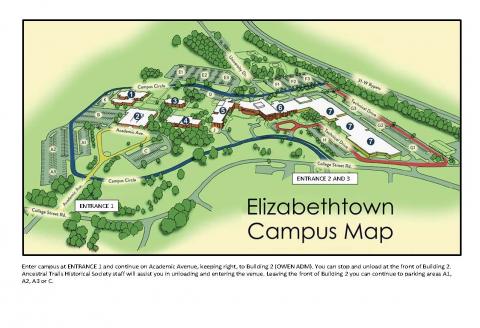
Note: Our March meeting will be at Elizabethtown Community & Technical College, James S. Owen Building, 620 College Street Road, Elizabethtown, KY, Room 112. Use entrance 1 on the lower map. There are several handicapped parking spaces in front of the building, and ample parking to the left side with a side entrance. Please check the calendar on our web site. I will continue to update my blog to keep you informed. If you have questions contact our library at 270-982-0881.
Aerial view
Using the ATHS site for Genealogy Research
Submitted by George W on March 17, 2020 - 2:23pm ATHS will be reopening the library on April 7 2021 for visitors. No more than 3 visitors per group will be allowed in the museum, with a total of ten at any one time. Social distancing will allow only 3 persons in the library at a time to include the library volunteer. We will require library visitors to make an appointment to do genealogical and historical research. Please email: [email protected] or [email protected] to reserve a two hour slot of time. These measures are for your safety as well as for ours.
Volunteers and visitors will be required to wear face masks. Frequent hand washing and sanitizing measures are required. Face masks will be given to those without one. Frequently touched surfaces will be sanitized frequently. Visitors’ work spaces will be sanitized after each use. Library materials will be quarantined after use for 24 hours at the least. Please do not come if you are feeling ill or have a temperature over 99 degrees.
If you’d like us to do some research for you, email us at the addresses shown above. Please put “research needs” in Subject line. Our library phone number is 270-982-0881. You may leave a message. In the meantime, check out our website www.aths.com. Try using the library versions of Ancestry.com or HeritageQuest from our website. Also, check out the Hardin County Court Clerk’s website: www.hccoky.org . If you are not familiar with this site, you will discover it is treasure trove, just as is the Hardin County History Museum. Think of sending a query to the editor of Ancestral News.
